MSR Restoration

Your Mold Solution in New Jersey and Pennsylvania

Contact Us for Your FREE Evaluation Today!

PA: 267-307-8934

NJ: 856-408-0532

billg.msr@gmail.com

  • Home
  • About
    • About Us
    • Leave a Review
  • Mold Inspection
  • Mold Remediation
    • Attic Mold Remediation
    • Basement Mold Remediation
    • Bathroom Mold Remediation
    • Crawl Space Remediation
    • HVAC & Air Duct Mold Remediation
    • Kitchen Mold Remediation
  • Hoarding Cleaning
  • Blog
  • Contact

Crawl Space Mold in Winter

Posted on December 26, 2025

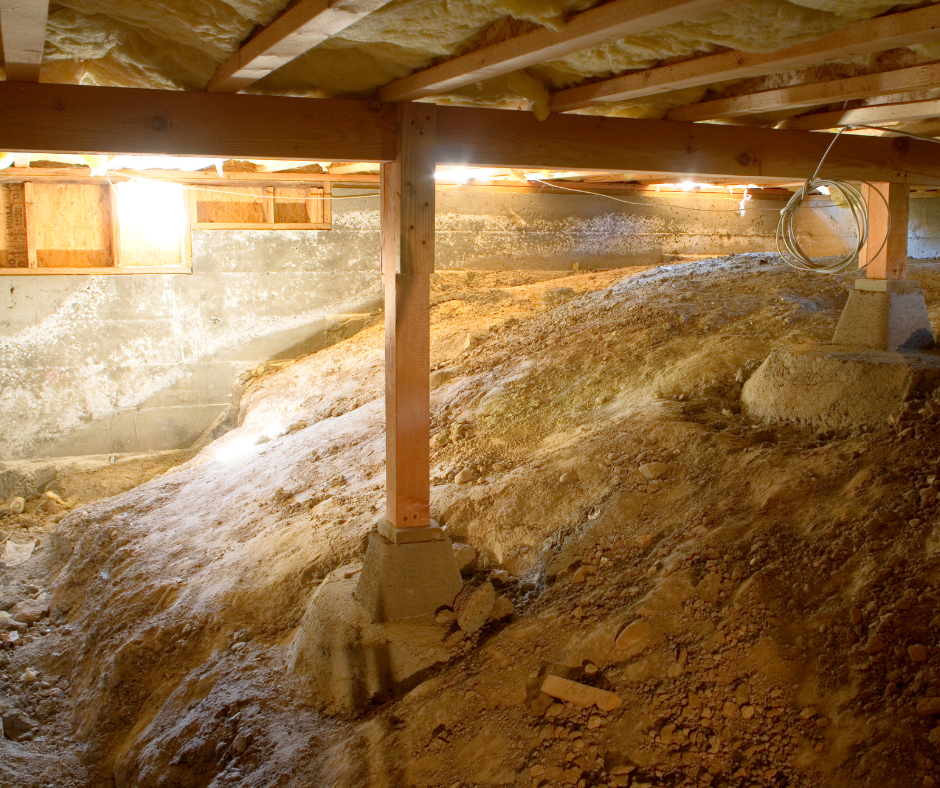
Crawl Space Mold

Dealing with mold in a crawl space during the colder months can be a challenge. Cold weather, snow, and condensation often brings higher moisture levels due to snow, ice, and condensation, making crawl spaces a prime breeding ground for mold. Understanding how to get rid of mold in a crawl space efficiently and safely can help protect your home and health.

Why Crawl Space Mold Is Common in Winter

Crawl spaces are one of the most common areas for mold growth during colder months, especially in regions like Philadelphia and South Jersey. Homeowners rarely inspect this hidden space, and the combination of darkness, moisture, and organic materials makes it perfect for mold to thrive.

What Causes Crawl Space Mold in the Winter?

Mold thrives in damp, dark, and poorly ventilated spaces. During winter, these conditions are amplified by crawl space moisture problems that often go unnoticed beneath the home.:

  • Condensation: Cold air outside and warm air inside your home can create condensation on crawl space surfaces. During the winter months, homes are heated against the cold temperatures outside, while the crawl space acts as an insulation barrier between the cold ground and your home.
  • Excess Moisture: Snowmelt, rain, or plumbing leaks may seep into crawl spaces unnoticed. If there is poor air circulation and any accumulated moisture, crawl space mold will form and stick around.
  • Poor Ventilation: Crawl spaces with limited airflow trap moisture, making them ideal for mold growth. In winter, residents are less likely to inspect their crawl space vents, leading to damaged or blocked vents that block beneficial airflow that would prevent mold spores from landing on surfaces. Pair the lack of air flow with any moisture from leaky pipes or ground seepage, and mold in crawl space conditions are there to stay.

Recognizing these causes is the first step in tackling crawl space mold effectively.

Signs of Mold in a Crawl Space

Before removing crawl space mold, ensure you’ve identified it correctly. Here are some common signs that may indicate mold in crawl space areas and underlying crawl space moisture problems:

  • Musty Smell: Mold often produces a distinct, earthy odor. Despite being cold, the air will feel stagnant and stuffy. Any air that does escape the infected crawl space will have a musky, mildew-like smell commonly associated with crawl space mold.
  • Visible Growth: Black, green, or white spots on wood, insulation, or walls are typical indicators. Black mold tends to be the most common type of crawl space mold found beneath the home, resembling a slimy, dark green, or black substance.
  • Health Symptoms: Sneezing, coughing, or itchy eyes could signal mold presence. Cracked or poorly sealed ducting in the subfloor space has the potential to bring the spores into the home through the HVAC system, and with the potential to cause health issues to those living in the home.
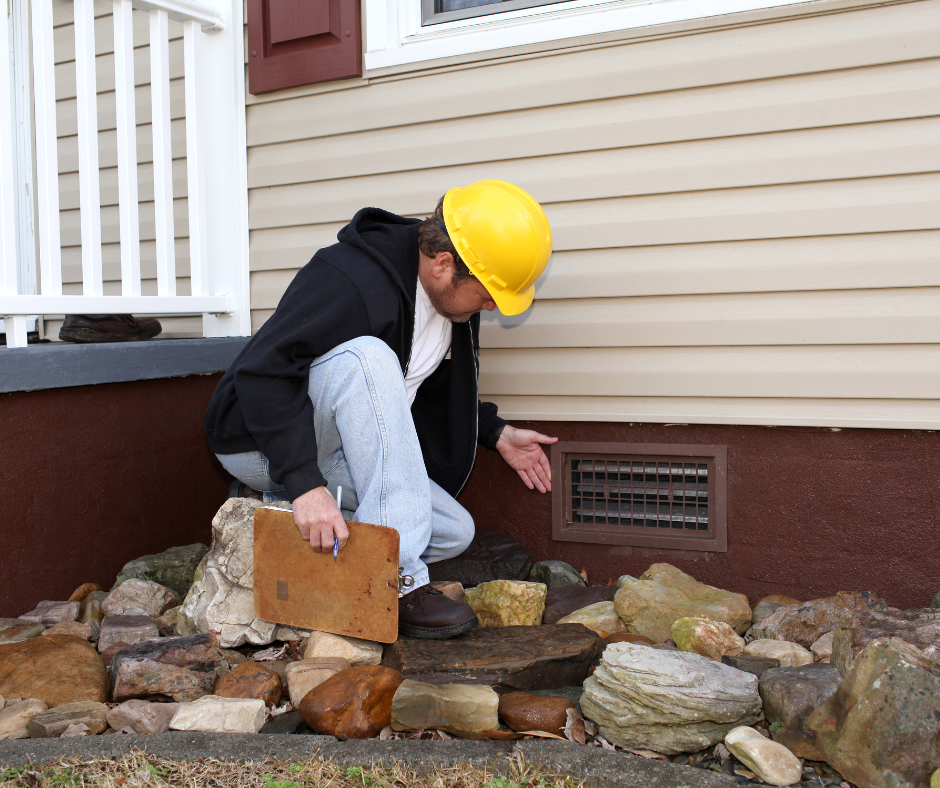
If you’re unsure, hire a professional for mold testing to confirm its presence and severity.

A professional is inspecting the Crawl space ventilation

How Fast Does Crawl Space Mold Grow?

Mold can start growing within 24–48 hours on damp surfaces. Once established, mold produces spores that can quickly spread and damage organic materials, including wood and insulation. Even small amounts should be addressed promptly.

How to Remove Mold from a Crawl Space

1. Prioritize Safety Before Starting

Mold removal can expose you to harmful spores, so take proper precautions when dealing with mold in crawl space areas:

  • Wear an N-95 mask or respirator.
  • Use gloves, goggles, and full-body protective clothing.
  • Avoid stirring up mold spores unnecessarily by working methodically.

2. Identify and Stop the Moisture Source

Mold will keep returning unless you eliminate excess moisture. Check for:

  • Plumbing Leaks: Inspect pipes and fix any leaks.
  • Foundation Cracks: Seal gaps in walls or flooring where water can enter.
  • Inadequate Drainage: Ensure that rainwater and snowmelt are directed away from your foundation.

The professional technicians will seal any wall cracks and ensure any gutters and downspouts direct water away from the home. And finally, they will add a plastic vapor barrier to cover the floor and walls to help prevent mold in crawl space conditions from returning.

3. Remove Contaminated Materials

The professionals remove the mold by thoroughly cleaning any surface that has mold growing on it. They take care to contain the dispersion of the spores during remediation so the mold doesn’t just move from one area to another. Take out any moldy debris, such as insulation or wooden materials, that cannot be cleaned. Place these in sealed plastic bags to prevent contamination during disposal. Any wet or damp insulation or other materials should be removed right away, and you should add a plastic moisture barrier over the ground and walls to reduce crawl space moisture problems.

4. Apply Mold Removal Treatments

Use an EPA-approved mold cleaner or natural alternatives like vinegar and baking soda.

  • DIY Method: Spray the mold cleaner onto affected areas and scrub with a stiff brush.
  • Professional Help: For widespread mold, consider hiring a mold remediation company to ensure thorough removal.

5. Dry the Crawl Space

Mold thrives in moisture, so drying out your crawl space is critical for controlling crawl space mold. Use:

  • Dehumidifiers: Reduce humidity levels to below 50%.
  • Fans: Improve airflow and speed up drying.
  • Heaters: In winter, supplemental heat can help remove excess moisture.

leaking pipe

How To Prevent Crawl Space Mold In The Future?

Seal and Protect Your Crawl Space and Improve Ventilation

Preventing crawl space mold starts with good ventilation. Keep crawl space vents clear of debris like fallen leaves, mulch, lawn clippings, or snow buildup. Repair any damaged vents that might invite rodents to seek refuge from the cold winter under your home, bringing in food scraps, building nests, and harboring crawl space mold.
Additionally:

  • Encapsulation: Install a crawl space vapor barrier to block moisture.
  • Insulation: Use mold-resistant insulation to reduce condensation. Use caulk or expanding foam to seal openings where moisture may enter.
  • Ventilation: Ensure proper airflow by installing vents or a crawl space fan.

Regular Inspections

  • Keep your crawl space dry by repairing any leaking pipes and ducts.
  • Inspect the crawl space seasonally for signs of water intrusion or mold growth.
  • Keep gutters and downspouts clear to direct water away from your home.
  • Consider installing a sump pump or self draining dehumidifier if your area is prone to flooding, to quickly dry out the space before crawl space mold begins to form.

Monitor Humidity Levels

Use a hygrometer to monitor the humidity in your crawl space. Aim to keep it below 50% year-round.

Risks of Crawl Space Mold

Crawl space mold can directly affect both your home and the health of your family. The most common and dangerous crawlspace mold is Stachybotrys atra, also known as black mold. This mold is a slimy, greenish black substance that grows on cellulose surfaces that get repeatedly wet. Any kind of wood provides the organic nutrients this type of crawlspace mold needs to propagate.

  • Health Risks: Research from FEMA describes the typical symptoms from mold exposure including respiratory problems, nasal and sinus congestion, eye or skin irritation, aches and pains. Black mold can also affect the nervous system, causing headaches, memory loss, and mood changes.
  • Structural Damage: Mold weakens wooden beams and supports, threatening your home’s integrity. Mold spores that float in on the breeze, can attach to surfaces like insulation, support beams or subflooring and begin to weaken the integrity of wood and other organic materials that serve as a food source for the mold.
  • Energy Loss: Mold-related moisture can reduce insulation effectiveness, increasing your heating costs.

Addressing mold quickly and thoroughly can save you time, money, and health issues in the long run.

When To Call A Professional For Crawl Space Mold Removal

While minor mold infestations can often be handled with DIY methods, severe or widespread mold requires professional remediation. Mold remediation specialists can:

  • Conduct thorough mold testing and inspection.
  • Safely remove mold using advanced tools and techniques.
  • Offer long-term solutions to prevent mold from returning.

At MSR Restoration, we understand the unique challenges of dealing with crawl space mold in the winter. Your health and safety is our #1 priority at MSR Restoration, and we have an expert team with years of experience and highly specialized equipment necessary to rid your home of crawlspace mold.

Don’t wait for mold to cause more damage. Contact us today for a free inspection and take the first step toward a mold-free home!

Filed Under: Mold Remediation Tips

Our Services

  • Professional Mold Inspection Services in NJ & PA
  • Expert Mold Remediation Services
  • Professional Hoarding Cleanout Services in New Jersey & Pennsylvania

Ready to Get Started?

Contact Us

Contractor License

PA #144264
NJ #13VH09779500 

Leave a Review

Blog
MSR Restoration
Services
Mold Inspection Services
Mold Remediation Services
Hoarding Cleanup Services
  • Philadelphia, PA
  • Havertown PA
  • Newtown Square PA
  • Radnor PA
  • Titusville NJ
  • Wenonah NJ
  • Gwynedd Valley, PA
  • Yardley, PA
  • Lambertville, NJ
  • Flourtown, PA
  • Lafayette Hill, PA
  • Barrington, NJ
  • Ewing, NJ
  • Deptford, NJ
  • Bryn Mawr, PA
  • Pennington, NJ
  • Newtown, PA
  • Wayne , PA
  • Horsham, PA
  • Huntingdon Valley, PA
  • Jenkintown-Wyndmoor, PA
  • Pitman, NJ
  • Mullica Hill, NJ
  • Blue Bell, PA
  • Mt. Holly, NJ
  • Moorestown, NJ
  • Medford Lakes, NJ
  • Medford, NJ
  • Marlton, NJ
  • Cherry Hill, NJ
Contact Us for Your FREE Evaluation Today!
621 Walnut Lane
Philadelphia, PA 19128

PA: 267-307-8934
109 E Cedar Ave
Haddon Township, NJ 08107

NJ: 856-408-0532

© 2026 · MSR Restoration