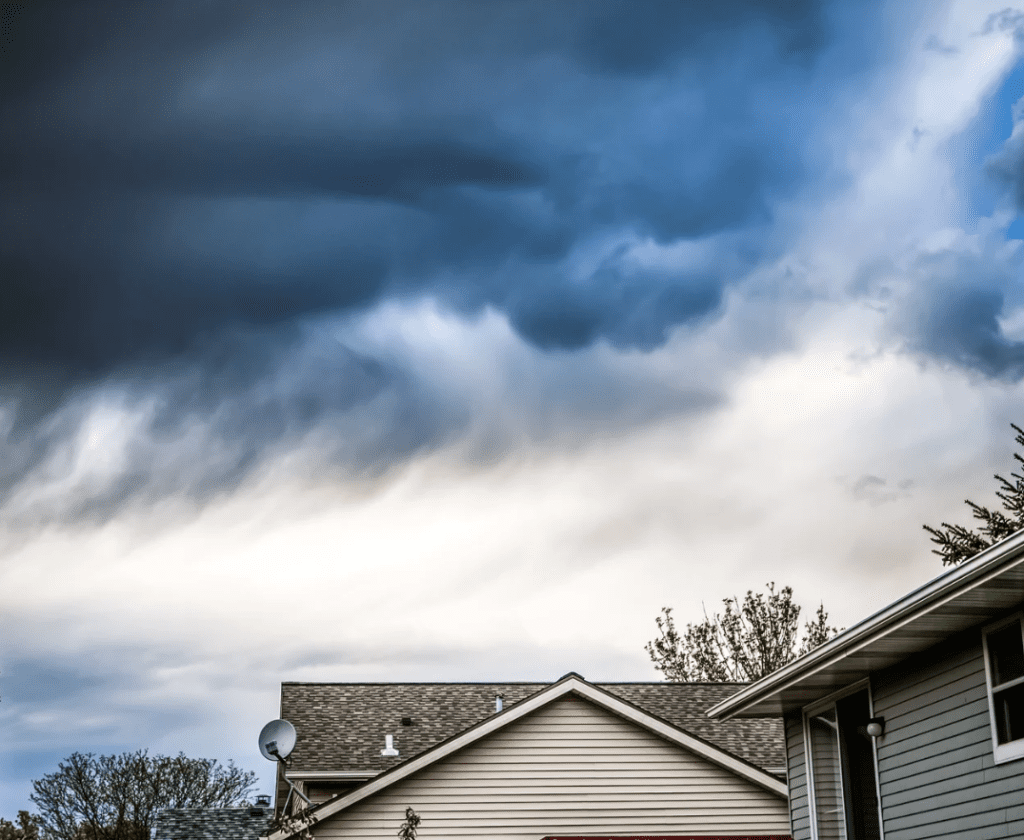
How Summer Storms Can Increase Indoor Humidity
Summer storms often bring heavy rainfall and high humidity, which can significantly increase indoor humidity levels, which can then lead to mold problems within the home. For example, when moisture infiltrates homes through leaks, open windows, or poor ventilation, it raises the indoor humidity. Mold grows best in damp, warm conditions and summer storms create an ideal environment for mold growth. The increased humidity can lead to rapid mold proliferation on walls, ceilings, and other surfaces, posing health risks and damaging property.
Beyond Leaks: Understanding Hidden Moisture Risks Caused by Summer Storms
Understanding hidden moisture risks caused by summer storms is crucial for maintaining a healthy indoor environment. These storms can introduce moisture into homes not just through roof leaks, but through foundation cracks, and seepage which are not immediately visible. Moisture can accumulate in walls, under floors, and in basements undetected creating perfect conditions for mold growth and structural damage. Addressing these risks involves regular inspections and proactive measures and enlisting the help of mold prevention experts. Experienced professionals can quickly and efficiently seal leaks and ensure proper ventilation to prevent mold growth from hidden moisture after summer storms.
Why Hidden Moisture Creates a Prime Environment for Mold Growth
Mold thrives in damp, dark, and undisturbed conditions and when moisture seeps into concealed areas like wall cavities, under floors, and behind ceilings, it often goes unnoticed and untreated. These areas provide the perfect habitat for mold spores to settle and multiply, as they remain consistently damp and lack proper ventilation. Even though it might seem like your home survived the summer storms, hidden moisture can lead to extensive mold infestations. Without timely detection and remediation, this can lead to significant health risks and cause structural damage to the property.
Beyond the Obvious: Uncovering Hidden Mold Growth
Uncovering hidden mold growth caused by summer storms requires a combination of vigilance and specialized techniques. Areas prone to moisture, such as basements, attics, and areas behind appliances should be regularly inspected. Signs like water stains, peeling paint, or a musty odor can indicate mold’s presence. Mold experts use moisture meters and infrared cameras to detect dampness in walls and floors that isn’t visible to the naked eye. If mold is suspected, homeowners should consult professional mold testing and inspection services to accurately identify and address hidden infestations caused by summer storms.
Long-Term Strategies: Preventing Future Mold Growth
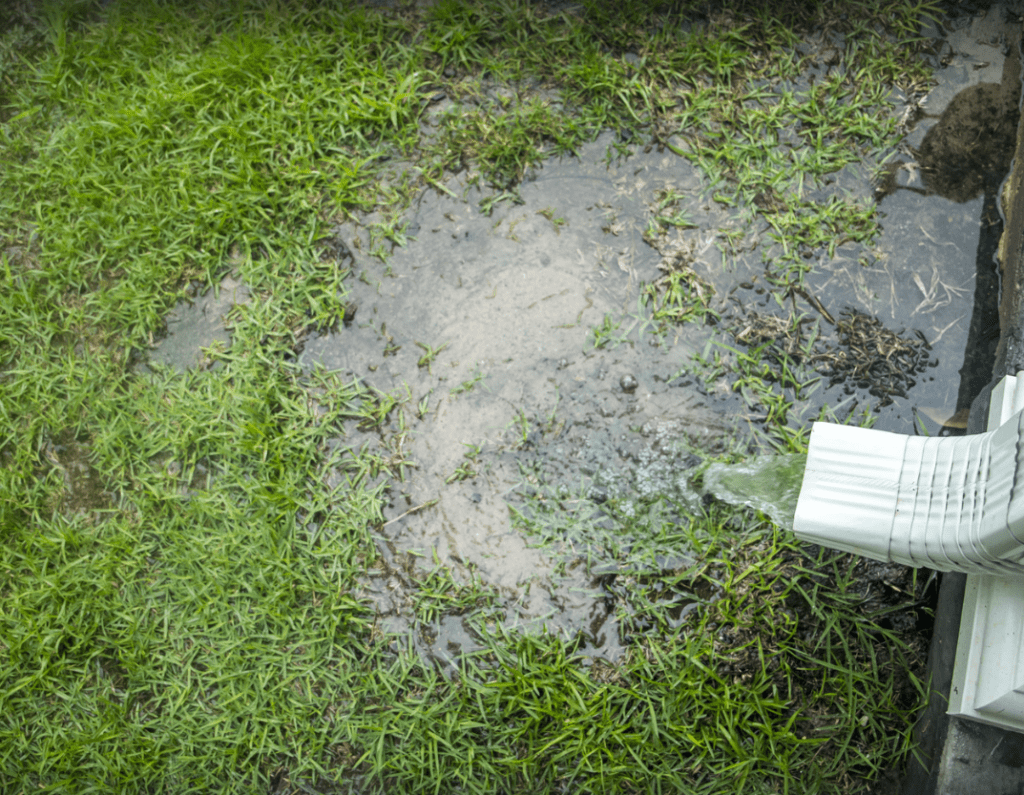
Preventing future mold growth caused by summer storms involves proactive measures to control moisture. Ensure the home is well-sealed by repairing roof leaks, sealing foundation cracks, and installing proper weatherproofing. Regularly clean and maintain gutters and downspouts to prevent water accumulation near the foundation. By staying vigilant and addressing moisture issues promptly, you can minimize the risk of mold growth and maintain a healthy indoor environment.
Controlling Humidity due to Summer Storms and Year-Round
Mold growth due to summer storms can cause problems year-round. Here are a few steps you can take to control the humidity in your home.
- Dehumidifiers – Reduce humidity in moisture-prone areas like basements and bathrooms by using dehumidifiers.
- Ventilation – Ensure proper ventilation in kitchens, bathrooms, and laundry rooms by using exhaust fans to expel moisture-laden air.
- HVAC Maintenance – Regularly service your HVAC system to ensure it’s effectively controlling indoor humidity.
- Monitor Indoor Humidity – Use a hygrometer to monitor and maintain indoor humidity levels between 30-50%
With all that goes into addressing and preventing mold growth from summer storms, it’s easy to miss a small detail that could turn into a big mold problem. Contact the professional mold experts at MSR Restoration for a free in-home mold inspection to give you peace of mind.